

Let’s be honest—budgeting sounds boring AF. Like, who actually wants to sit down with spreadsheets, calculators, and “monthly expense reports” when Netflix, iced coffee, and scrolling TikTok exist? 🙃 But here’s the catch: without a budget, money disappears faster than your paycheck hits your account. One “treat yourself” moment turns into, “why is my bank account crying?”
The truth? Budgeting doesn’t have to be scary or complicated. You don’t need to live on rice and beans or ditch your iced latte to be “financially responsible.” What you need is a budgeting system that actually fits your lifestyle and doesn’t make you want to give up after week one.
So, let’s break down 5 super simple budgeting methods that have saved people from overdraft fees, endless credit card debt, and that sinking “omg I’m broke” feeling. Pick the one that feels like you, and thank yourself later. ✨
1. The Zero-Based Budget 📝
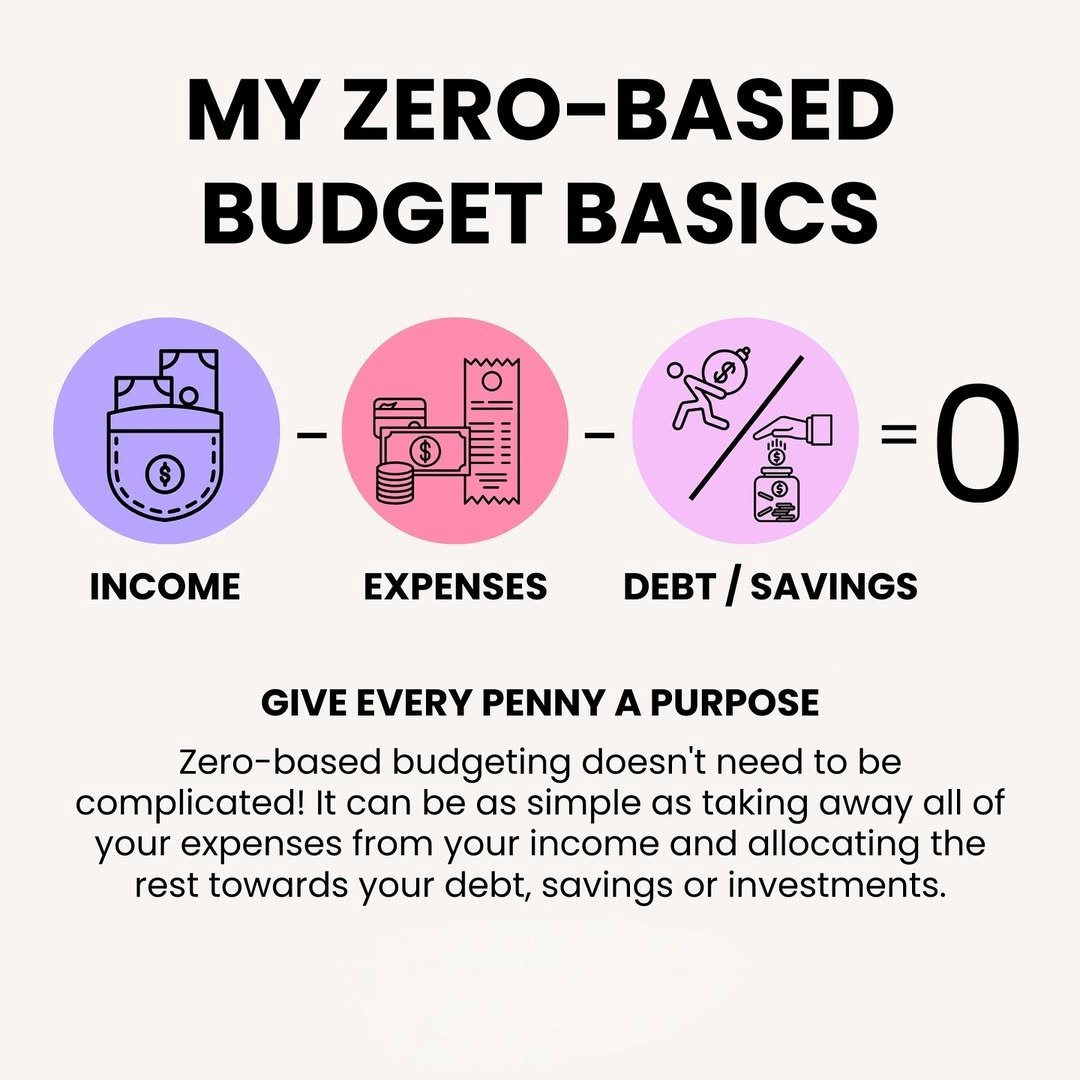
Think of this one as giving every single dollar a job. Nothing just “sits there” in your account waiting to mysteriously vanish.
How it works:
You start with your income (say, $2,500/month).
Then you “assign” that money to categories: rent, groceries, Netflix, savings, even that coffee budget you know you’re going to spend.
At the end, your budget should equal zero (not because you’re broke, but because every dollar has been planned).
Why it works:
👉 It forces you to be intentional with money. You don’t feel guilty for spending, because you planned for it.
Pro tip: Use apps like YNAB (You Need a Budget) or even a free spreadsheet. If you like control and knowing exactly where your money goes, this one’s your BFF.
2. The 50/30/20 Rule 📊
This is like budgeting for people who don’t want to budget. Super simple, no math headaches.
How it works:
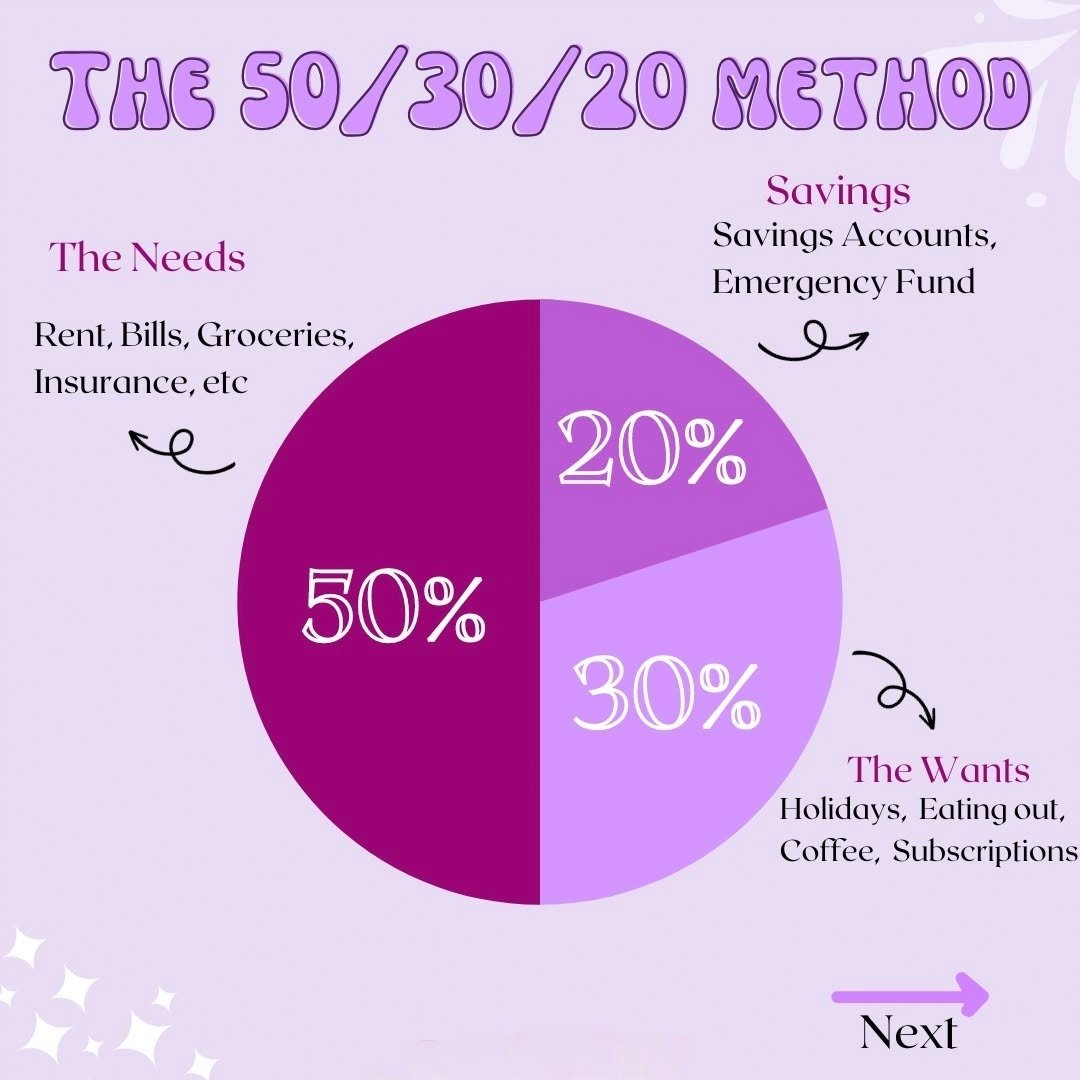
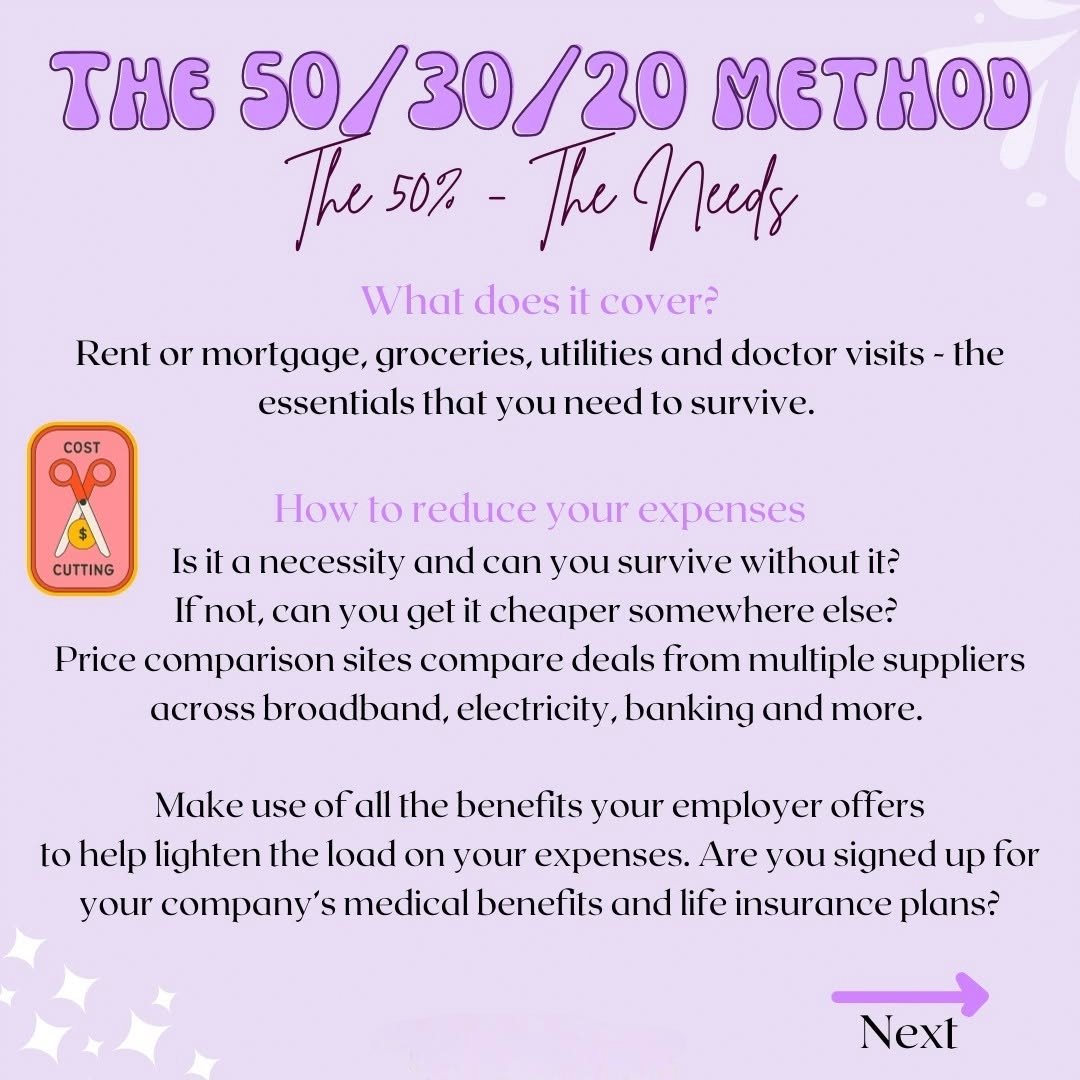
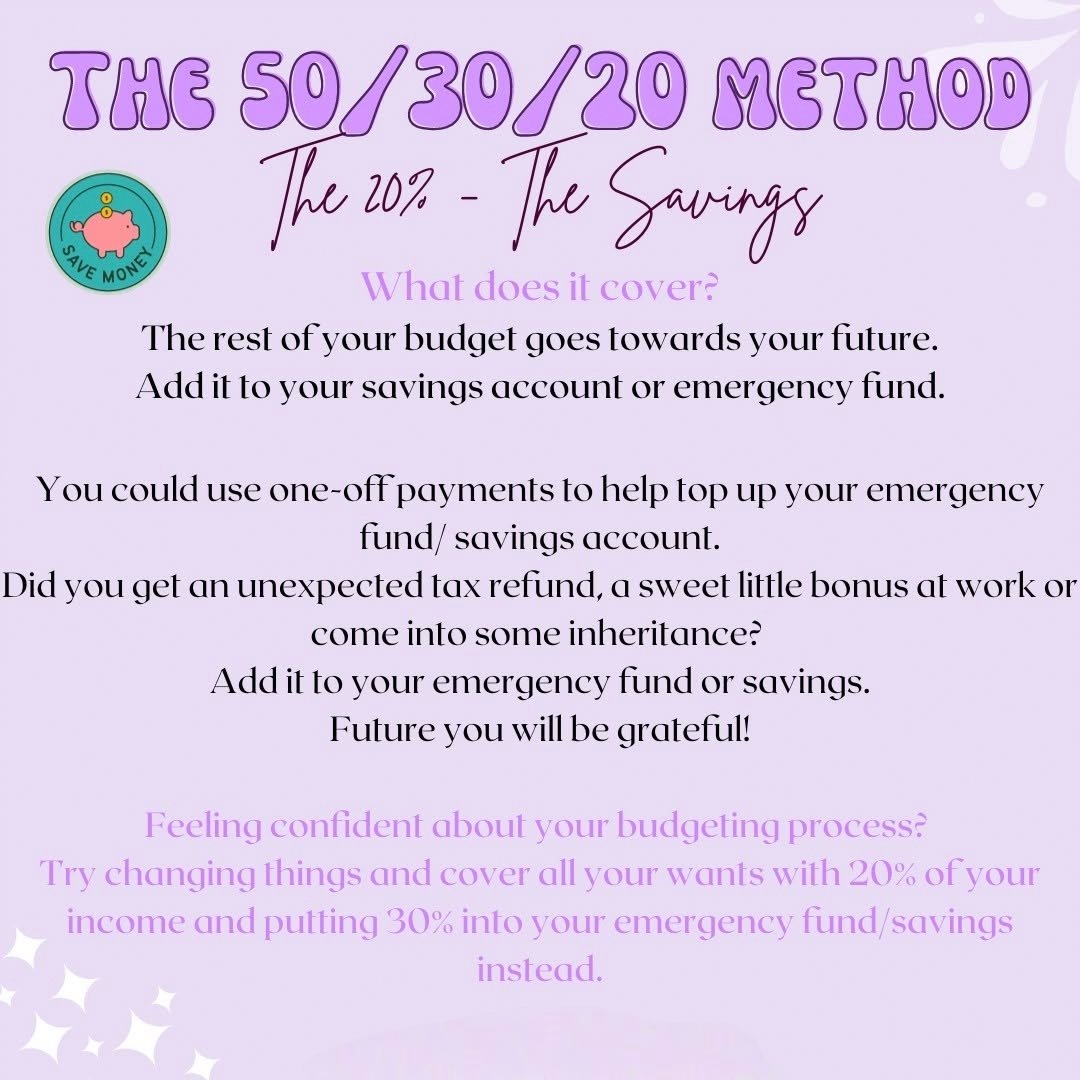
50% of your income → Needs (rent, bills, food, transportation).
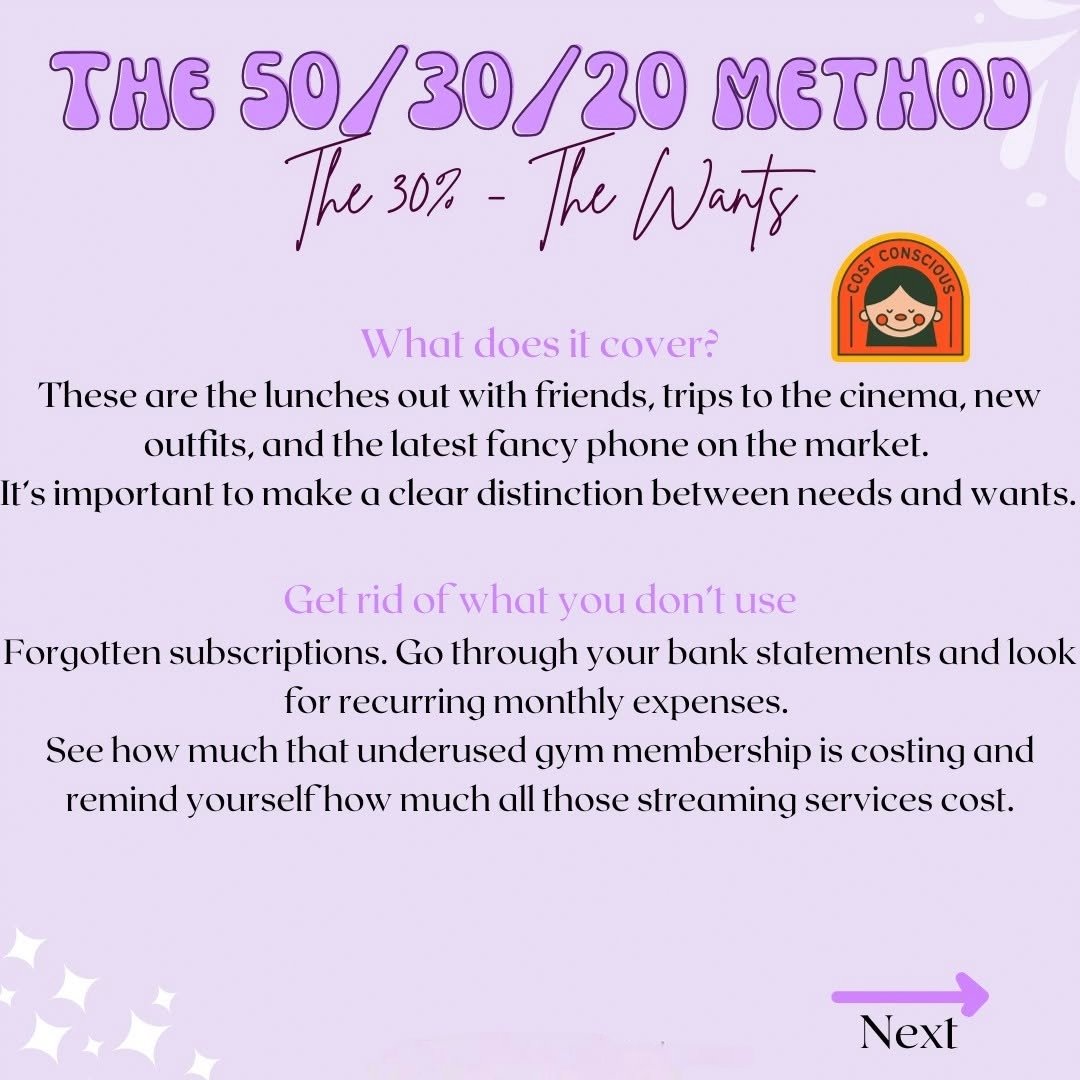
30% → Wants (takeout, concerts, new AirPods, iced matcha runs ☕).
20% → Savings & debt payoff.
So if you make $2,000/month:
$1,000 = needs
$600 = wants
$400 = savings/debt
Why it works:
👉 It keeps balance. You’re not over-restricting, but you’re also not blowing your whole paycheck on impulse buys.
Pro tip: If you’re living in a city where rent eats half your paycheck, tweak the percentages (like 60/20/20). It’s flexible.
3. The Cash Envelope Method 💵
Warning: old-school vibes incoming, but it works.
How it works:
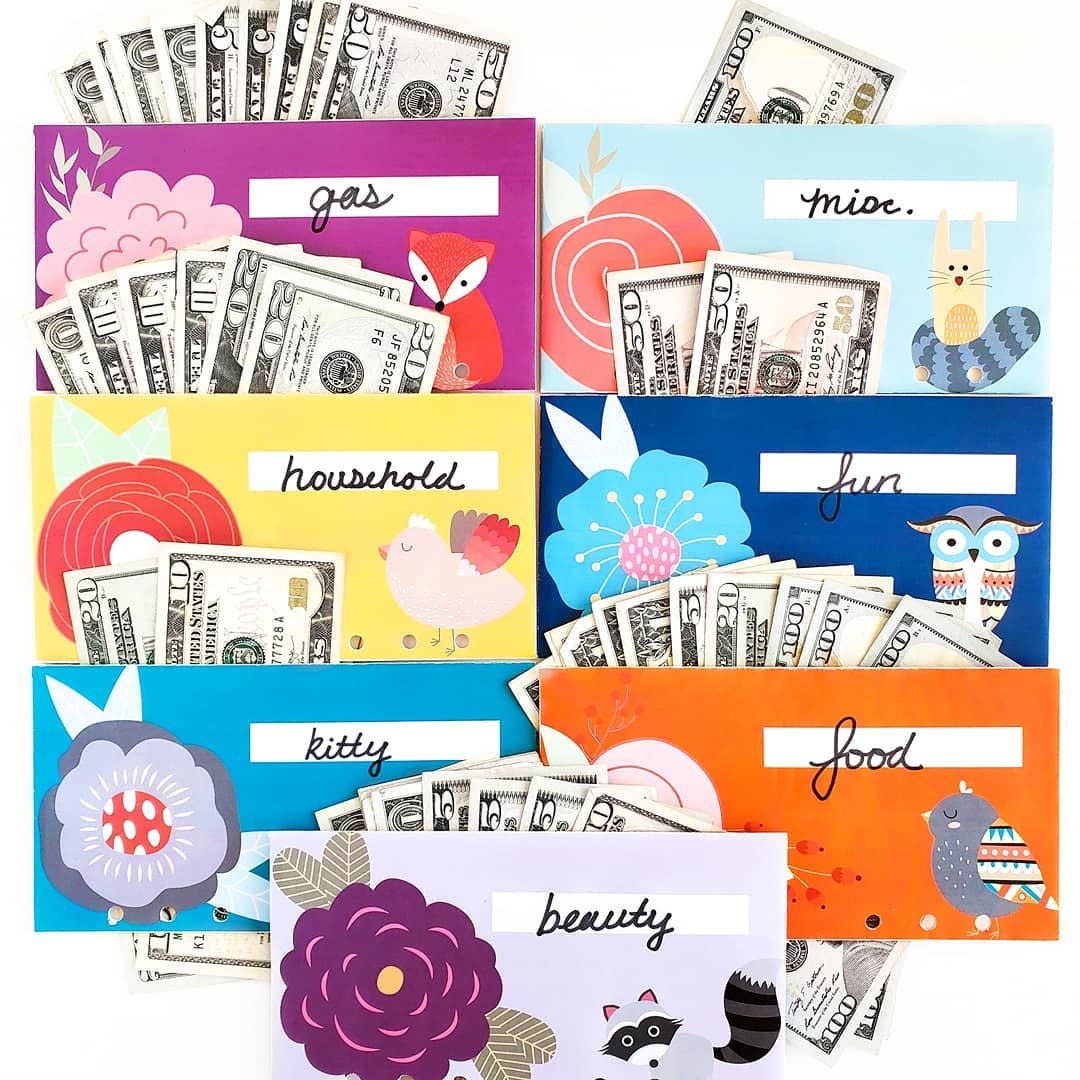
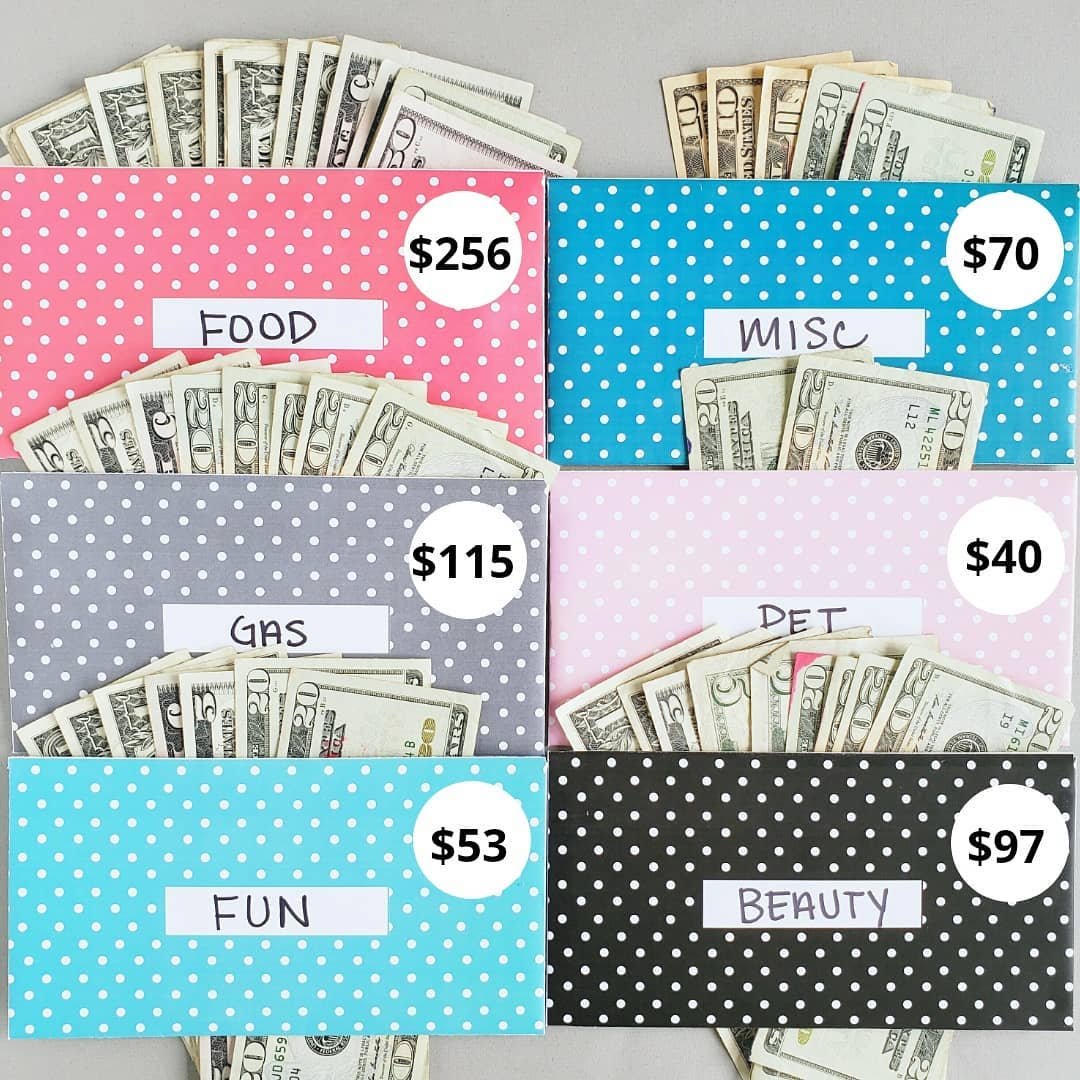
You pull out actual cash for categories like groceries, eating out, shopping.
Put the money in envelopes labeled “Food,” “Fun,” “Clothes,” etc.
When the envelope’s empty… that’s it. No dipping into another.
Why it works:
👉 It hurts more to hand over cash than to swipe a card. You see the money leaving your hands, which makes you think twice.
Pro tip: If you hate carrying cash, apps like M1 or Goodbudget let you do a “digital envelope” version.
4. The Pay-Yourself-First Method 💰
This one flips the usual script. Instead of saving whatever’s left at the end of the month (aka usually nothing), you save first.
How it works:
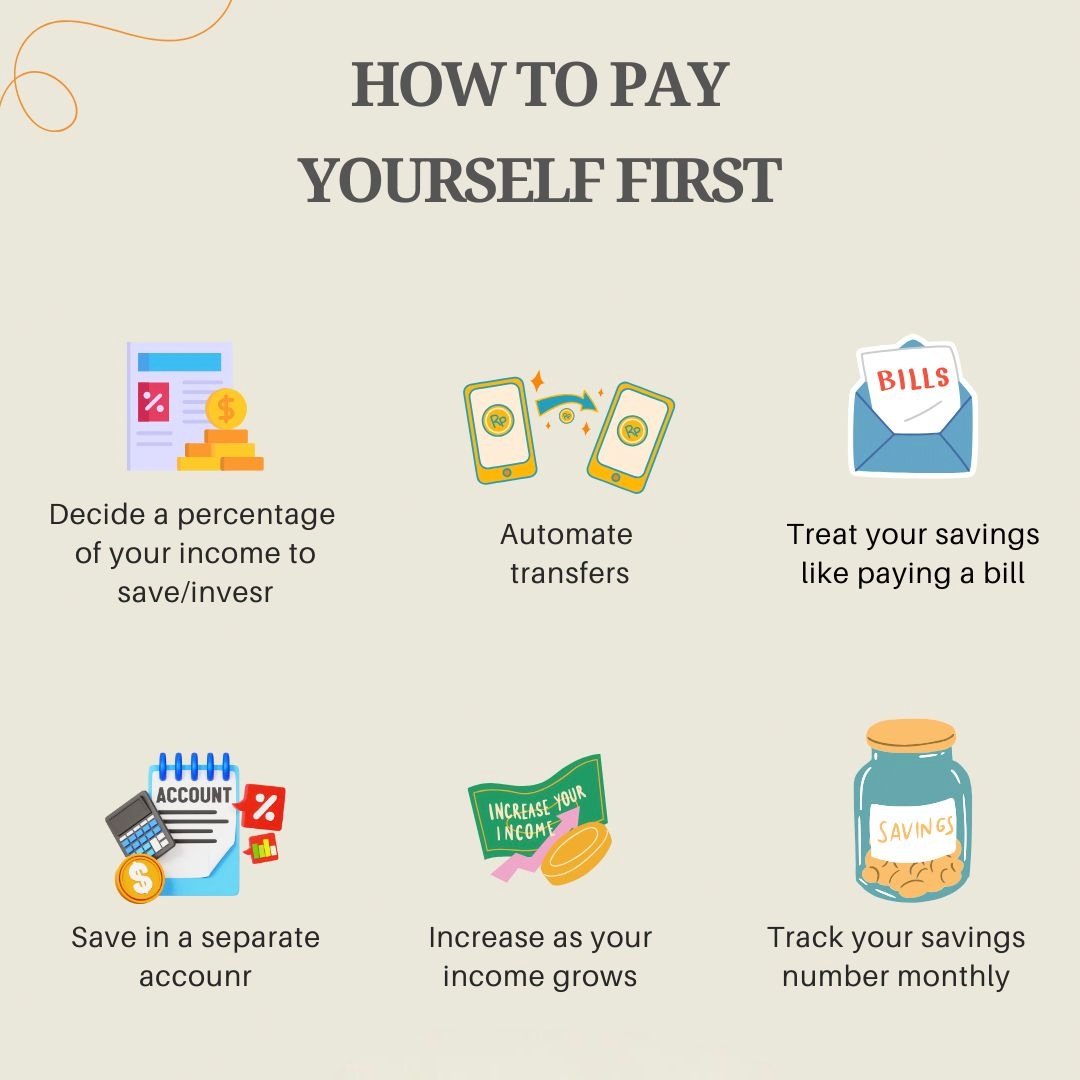
Decide how much you want to save (ex: 10–20% of income).
The moment your paycheck hits, that money goes straight into savings or investments.
You live on the rest.
Why it works:
👉 It forces you to prioritize your future self. It’s like telling your money, “nope, rent and lattes can wait—future me comes first.”
Pro tip: Automate it. Set up a direct transfer so you don’t even see the money sitting in your checking account.
5. The No-Budget Budget ✌️
Yes, you read that right. For people who hate structure, this is the “minimum effort” method.
How it works:
You don’t track categories in detail.
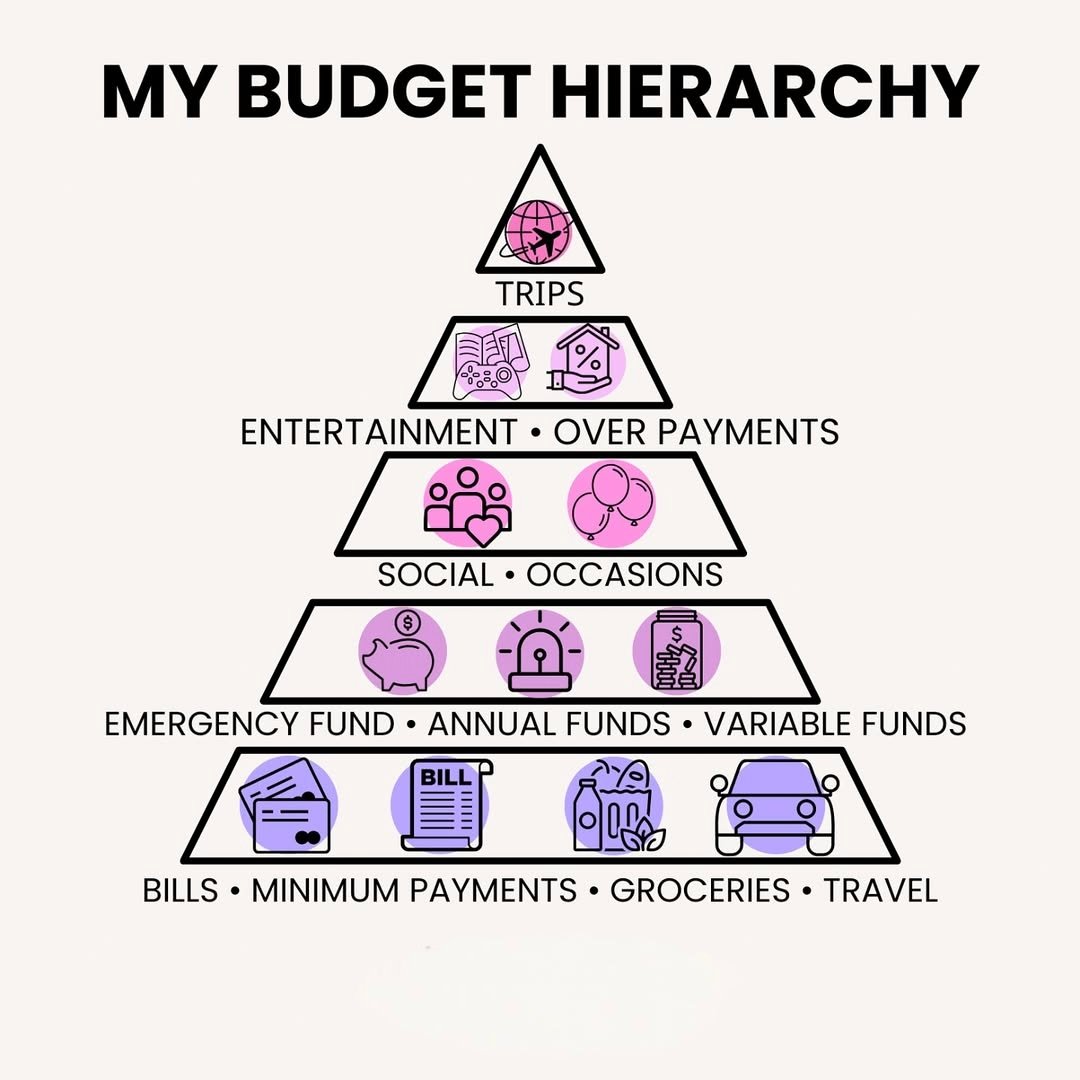
Instead, you just make sure your fixed bills (rent, subscriptions, car payment) are covered.
Then, you set up automatic transfers for savings/debt.
Whatever’s left in your account? That’s your “do whatever” money.
Why it works:
👉 It’s low effort, but still keeps you from overspending. You don’t need to log every coffee purchase—just make sure your bases are covered.
Pro tip: Pair this with banking tricks like having two accounts (one for bills, one for spending). That way, you won’t “accidentally” use rent money for a shopping spree.
So… Which One’s Right for You? 🤔
If you love control → Zero-Based Budget.
If you want easy → 50/30/20 Rule.
If you overspend → Cash Envelopes.
If you want to build wealth fast → Pay-Yourself-First.
If you’re lazy (no shame) → No-Budget Budget.
Real Talk: Budgeting Isn’t About Restriction 🚀
The biggest myth? That budgeting = no fun. Wrong. Budgeting is literally giving yourself permission to spend guilt-free—because it’s planned. You don’t have to say goodbye to brunch, your skincare hauls, or your favorite streaming subscriptions. You just need a method that works with your lifestyle.
Pick one, test it out for a month, and see how it feels. If it doesn’t work? Switch it up. Budgeting isn’t one-size-fits-all—it’s like dating. Sometimes you need a few bad first dates (ahem, failed budgets) before you find “the one.”
Money doesn’t have to be stressful. Once you find your rhythm, you’ll feel more in control, less guilty about spending, and way more excited about saving for the things that actually matter.
✨ Your future self is already cheering you on.